The other day, I was chatting with a friend when he learned I was about to head to church. He joked, “Go to church so you can go back to being Holly, because the rest of the week you’re not.” It was all good fun.
What my friend said made me think about the misconceptions we have about following God, especially in Christianity. For many years, we have been taught the human interpretation of what is to be “holy” in the eyes of God. People pick and choose what they want to ensure their own beliefs about specific issues are respected, under the guise of “moral standards.” But the reality is that God, the one I know, does not have those thoughts about that, and I would like to share with you some of these wrong interpretations I have been told of what God is all about.
1.- Holiness really depends on the person and whether you do good or not.
Holiness does not depend on what to do or not do. Holiness is the result of what God has done for us so that nothing can take us away from that. My holiness does not renew itself every Sunday just because I go to church. Holiness is like the Grace of God; it is there continually.
2.- You must be flawless and free of blame or mistakes to attend church.
Yes, I am a believer and follower of Christ, but who says that I need to be perfect? I believe we must be imperfect and vulnerable, sharing our weaknesses, faults, and mistakes. I am meant to be broken, because in this brokenness, He can be strong. I continue to make mistakes and constantly seek the Grace of God, who welcomes me the way I am, not in pity but in love.
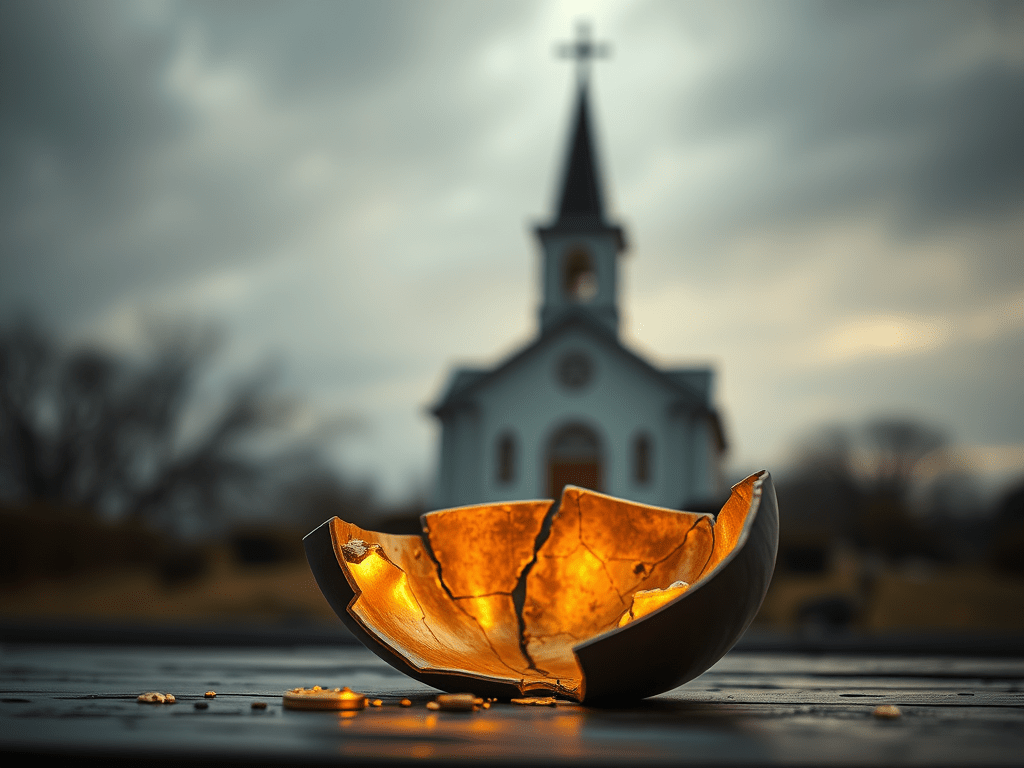
I am broken as I can be, and in this state of mind, I can live and serve Christ better. Who said you had to be complete and put together to live better and more profoundly? I think as broken people, I have a lot to give because I am at a decisive moment in my life, and that’s where I can think more about myself. I have always felt that being broken is better than being whole because I can continually fix it. Have you heard of this Japanese style of fixing a broken vessel? It is called Kintsugi, a metaphor for embracing your flaws and imperfections. My life has been full of Kintusgi, and it continually mends and unmakes itself, rises and falls, unites and disunites, strengthens and weakens. That is why I need the golden glue that, for me, is writing, combined with a very rhythmic salsita or a great vallenato. And of course, after learning about this, it is appropriate to mention that I suffer from MHBR (Messy Human Being in Restoration)
3.- You cannot be gay and Christian, because you are contradicting what the Bible says about it.
I do not care if people disagree with me, but I do not believe in a God that will exclude others from who they are or what they do. Grace is grace. We cannot pick and choose what grace covers and what doesn’t. When people come to me and say, “The Bible says this…” Let me tell you, the Bible says so many things that we are not fulfilling. Instead of focusing on that, why not seek peace, love, and care in the hands of our Lord Jesus Christ? Why not concentrate on helping others, on listening to the wants they need to be listened to, and on giving a hand to a friend?
“Love will lead us to the ways that we can show up and love others as we love ourselves.”Darren Calhoun, LGBTQ+ Christian, can build bridges with our non-affirming family, Sojo.net (2024)
What do you think about this? Please leave me a comment.
——————————————————————————-
Conceptos Erróneos Sobre Dios y La Identidad Cristiana
El otro día, minetras charlaba con un amigo, cuando se enteró de que iba a la Iglesia, bromeó: “Ve a la iglesia para que puedas volver a ser santo, porque el resto de la semana no lo eres”.
Lo que dijo mi amigo me hizo pensar en las ideas erróneas que tenemos sobre cómo seguir a Dios, especialmente en el cristianismo. Durante muchos años, nos han enseñado la interpretación humana de lo que es “santo” a los ojos de Dios. La gente elige lo que quiere para asegurarse de que se respeten sus propias creencias sobre temas específicos, bajo el pretexto de las “normas morales”. Pero la realidad es que Dios, el que yo conozco, no tiene esos pensamientos al respecto, y me gustaría compartir con ustedes algunas de estas interpretaciones erróneas que me han dicho sobre la esencia de Dios.
1.- La santidad depende realmente de la persona y de si hace el bien o no.
La santidad no depende de qué hacer ni de qué dejar de hacer. La santidad es el resultado de lo que Dios ha hecho por nosotros, de modo que nada puede apartarnos de ella. Mi santidad no se renueva cada domingo solo porque voy a la iglesia. La santidad es como la gracia de Dios; está presente continuamente.
2.- Debes ser impecable y estar libre de culpas y errores para asistir a la iglesia.
Sí, soy creyente y seguidor de Cristo, pero ¿quién dice que debo ser perfecto? Creo que debemos ser imperfectos y vulnerables, compartiendo nuestras debilidades, faltas y errores. Estoy destinado a estar quebrantado, porque en este quebrantamiento, Él puede ser fuerte. Sigo cometiendo errores y busco constantemente la gracia de Dios, quien me acoge tal como soy, no con lástima, sino con amor.
Estoy tan quebrantado como puedo estarlo, y en este estado mental, puedo vivir y servir mejor a Cristo. ¿Quién dijo que hay que estar completo y sereno para vivir mejor y con mayor profundidad? Creo que, como persona quebrantada, tengo mucho que dar porque estoy en un momento decisivo de mi vida, y es ahí donde puedo pensar más en mí mismo. Siempre he sentido que estar quebrantado es mejor que estar completo porque puedo arreglarlo continuamente. ¿Has oído hablar de este estilo japonés de reparar una vasija rota? Se llama Kintsugi, una metáfora para aceptar tus defectos e imperfecciones. Mi vida ha estado llena de Kintusgi, y continuamente se recompone y se deshace, sube y baja, une y desune, fortalece y debilita. Por eso necesito ese pegamento dorado que, para mí, es la escritura, combinada con una salsita muy rítmica o un buen vallenato. Y, por supuesto, después de enterarme de esto, es apropiado mencionar que sufro de SHDR (Ser Humano Desordenado en Restauración).
3.- No puedes ser gay y cristiano, porque contradices lo que dice la Biblia al respecto.
No, me importa si la gente no está de acuerdo conmigo, pero no creo en un Dios que excluya a otros por quiénes son o por lo que hacen. La gracia es gracia. No podemos elegir qué cubre la gracia y qué no. Cuando la gente viene a mí y me dice: “La Biblia dice esto…”, les digo que la Biblia dice tantas cosas que no estamos cumpliendo.
En lugar de centrarnos en eso, ¿por qué no buscar la paz, el amor y el cuidado en las manos de nuestro Señor Jesucristo? ¿Por qué no concentrarnos en ayudar a los demás, en escuchar sus necesidades y en ayudar a un amigo?
“El amor nos guiará a las maneras en que podemos mostrarnos y amar a los demás como nos amamos a nosotros mismos”. Darren Calhoun, cristiano LGBTQ+, puede construir puentes con nuestra familia no afirmativa, Sojo.net (2024).
¿Qué opinas de esto? Déjame un comentario.
 The Broken Writer
Leave a comment